
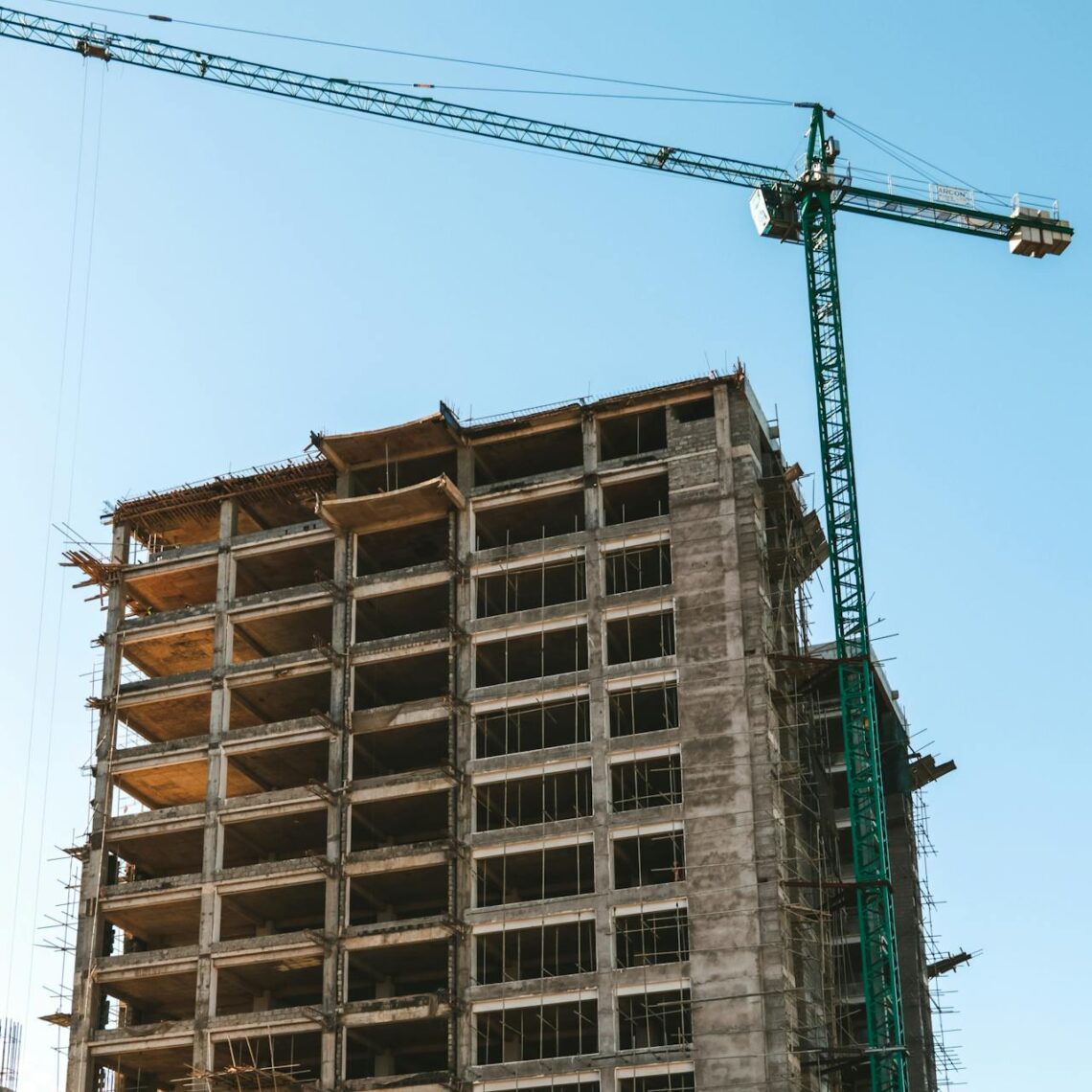
Insulation: A Proven Building Essential – Past, Present and Future
While Malta is only beginning to introduce mandatory insulation within the local construction industry as of 1 July 2024, insulation itself is far from a modern innovation. Across the world, it has been an essential element of building construction for thousands of years.
Early civilisations relied on materials such as mud, straw, and animal skins to insulate dwellings and protect occupants from harsh weather conditions. Over time, cultures refined these techniques, developing insulation methods using natural fibres and, eventually, advanced materials such as foam and fibreglass. Today, insulation remains a cornerstone of modern construction, playing a critical role in energy efficiency, sustainability, and occupant comfort. As building technologies continue to evolve, insulation remains a non-negotiable component of effective building design worldwide.
Proper insulation is vital for several reasons. It helps regulate indoor temperatures year-round, reducing the reliance on excessive heating in winter and cooling in summer. This leads to lower energy consumption, reduced utility costs, and a smaller environmental footprint. In addition, insulation improves acoustic performance, contributing to quieter, more comfortable indoor spaces.
When correctly installed and maintained, insulation can last for the entire lifespan of a building. However, some materials may degrade or settle over time, reducing their effectiveness. Regular assessment and maintenance are therefore essential to ensure insulation continues to perform as intended and delivers long-term value.
The role of inspections
Introducing insulation regulations is an important step but regulations alone are not enough.
Without consistent and thorough inspections, construction quality, safety, and environmental standards are at serious risk. Regulations that are not enforced quickly become meaningless. The absence of proper oversight opens the door to substandard materials, poor workmanship, inadequate insulation, and non-compliance with safety requirements. Over time, this can result in structurally compromised buildings that are inefficient, unsafe, and costly to operate.
Furthermore, uninspected construction can have wider environmental consequences, including improper waste management, increased pollution, and unnecessary environmental damage.
In short, regulations must be supported by continuous inspections and enforcement. Only then can insulation — and construction standards as a whole — truly deliver the quality, safety, and sustainability they are intended to achieve.


